
Even if the office is closed it is essential to veterinarian offices. Pets can get sick in the middle of the night, customers may be frightened on the weekend, and urgent calls often do not occur at convenient times. When calls go unanswered or are sent to voicemail or sent to an answering service with no medical understanding, the outcome is often furry pet owners, anxiety for on-call veterinarians, and lost opportunities for the practice itself.
That is why after-hours communication is now an essential part of veterinary operations. A dependable answering service for veterinary practices is more than just answering the phone. It can help practices safeguard the relationship with their clients, direct pet owners to the correct next step, and ease the burden on internal staff already stretched thin. Today, after-hours assistance is more than just a convenient service. It’s an integral part of how a practice delivers continuity of care.
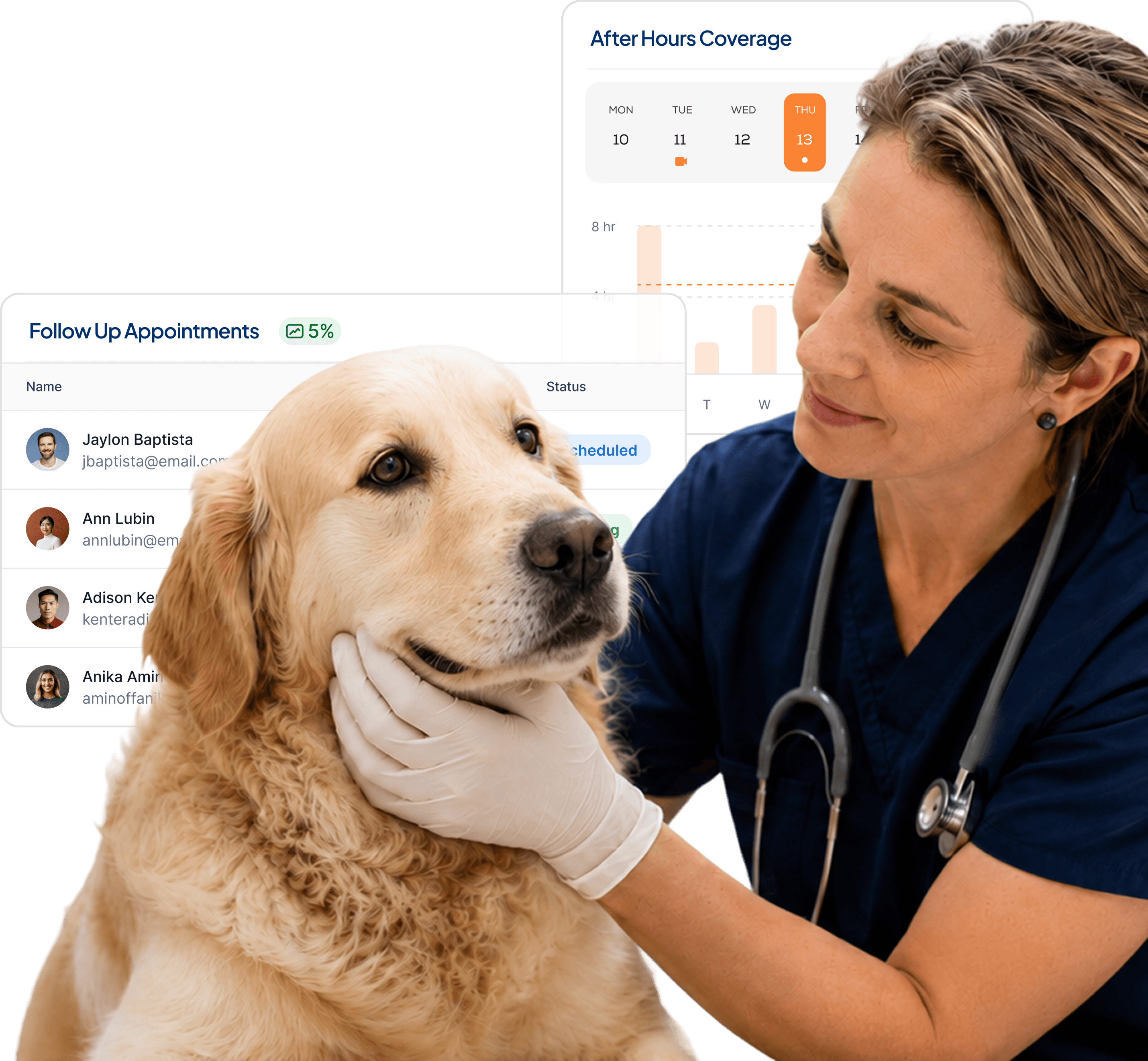
Image credit: guardianvets.com
Not all answering software is made for veterinary use.
There’s a huge distinction between a standard answering service and a specialized vet answering service designed specifically for animal hospitals. In a hospital setting answering calls during the night isn’t always simple. A patient may be anxious about exposure to toxic substances and post-surgical complications. They may also be concerned about vomiting, breathing changes or if their pet requires immediate emergency medical attention. These scenarios require more than a simple email. It requires a steady, calm and judicious communication and a structured approach from a person who is knowledgeable of the workflow in veterinary practice and can sense the need for importance.
That is where GuardianVets distinguishes itself. In lieu of being a typical call center GuardianVets operates as a vet-oriented support partner, staffed with Credentialed Veterinary Technicians. That distinction matters. A trained technician can assess the nature of the call, follow the clinic’s triage and escalation protocols, help the pet owner understand the level of urgency, and direct them toward the right next step without stepping outside the boundaries of the veterinary-client-patient relationship.
The veterinary triage service can aid in making better decisions for everyone.
One of the biggest benefits of a true veterinary triage service is that it helps to create clarity during stressful times. A lot of pet owners aren’t sure the urgency of a situation or if it can wait until the next day. Many pet owners aren’t able to determine whether they should seek urgent care or go to the emergency room.
Triage is a way to bridge that gap. It provides pet owners with an experienced person to talk to, which helps reduce confusion and assists the practices in ensuring urgent cases are dealt with accordingly, while other complaints are properly documented and handled. The system also helps prevent veterinarians from being interrupted after hours for issues which don’t require intervention. That can make a meaningful difference in the balance of work and life, especially for hospitals where the same doctors are carrying the clinical load during the day and the call-ins at night.
Call centers for vet practices must be able to function with your workflows, not in opposition to them
A modern call center for veterinary services shouldn’t operate as a separate service in addition to your practice. It should serve as an extension to your staff. This means it should be aware of your preferences for communication such as appointment rules such as emergency protocols as well as escalation routes and protocols. Integrating your current PIMS will allow you to add triage notes documents for calls and results from scheduling into the same system your team is using.
GuardianVets is built around that concept. They review gaps in coverage, map the ways that clients communicate and create workflows that reflect the realities of the practice instead of making it rigid structure. It’s an enormous change from traditional answering businesses which often record messages and then leave it to the clinic.
A better after-hours coverage is more beneficial than the convenience
A reliable veterinary after hours answering service does more than reduce missed calls. It helps preserve client trust in stressful times, helps keep more cases in the practice network, when needed and offers teams the opportunity to manage after-hours demand. It can also help increase the revenue of a practice by turning weekends or night-time inquiries into scheduled appointments instead of wasted opportunities.
This assures pet owners that they are able to seek assistance in the event of need. This type of support is essential to veterinary medicine, because the calls that come in after hours aren’t always just about logistics. They’re also emotional. The way you react to a beloved animal may affect how they feel even after the issue has been resolved.
Hospitals that wish to enhance client care and team wellbeing, GuardianVets offers a model which goes beyond a traditional answering service for veterinarians. The service combines clinical triage, workflow integration and compassionate communication it allows practices to be there for their patients, even when the clinic is closed.