
The current industries are moving through a period of transition in which speed, efficiency and flexibility are no longer options, they are mandatory. The outdated infrastructure, which is expensive and difficult to modify is not able to meet the demands for real-time analytics and distributed operations. ScalerPi provides a fresh perspective on edge computing, combining it with practical engineering to create solutions that are highly flexible.
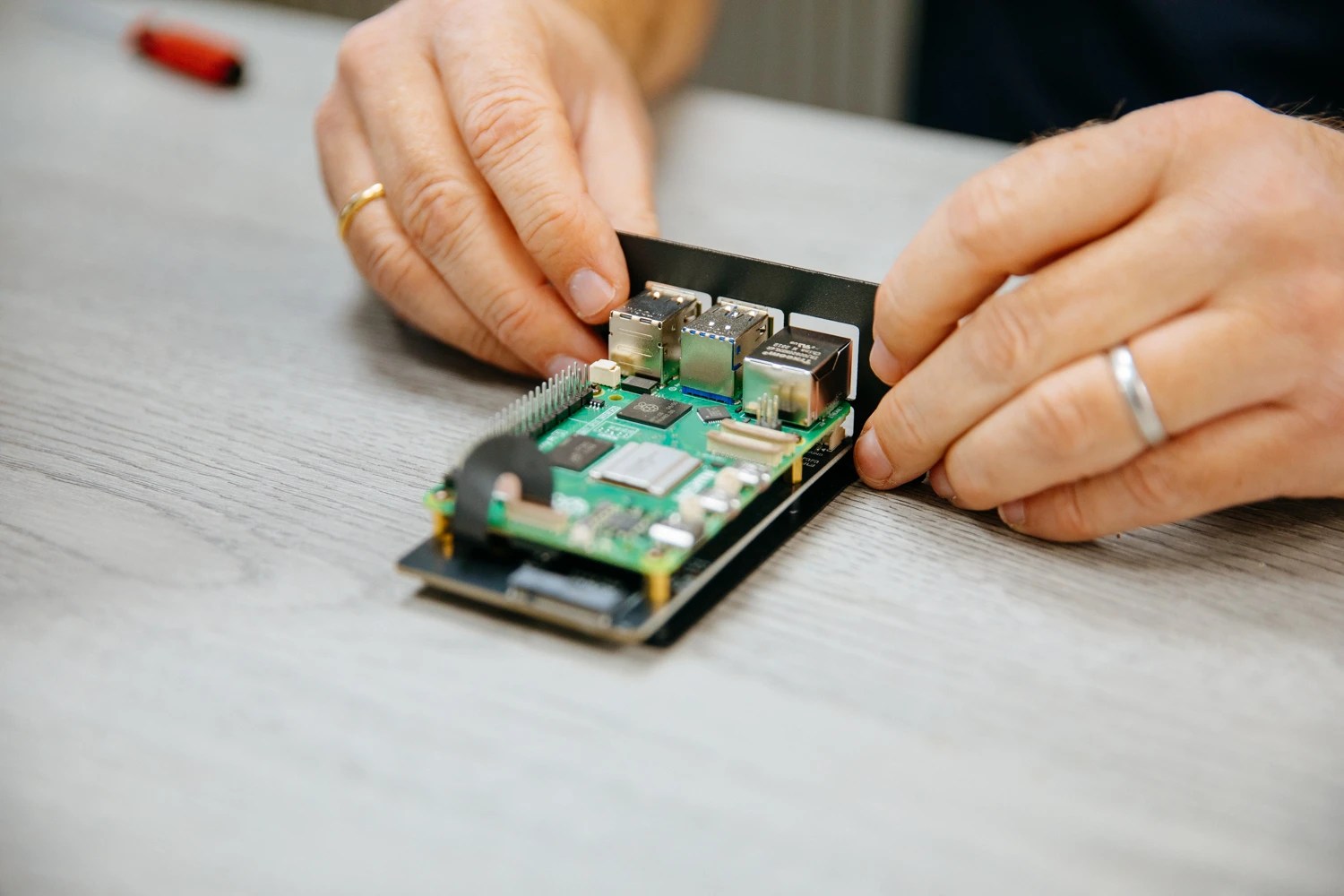
This new technology is based on industrial automation using Raspberry Pi. It allows organizations to change the way they create and run their systems. Companies can install powerful, lightweight devices directly at the point of data, instead of relying solely on large, centralized hardware. This approach reduces delay and provides teams with the ability to react immediately to changing conditions.
Data to Action at the Edge
The capability to process data locally is the real benefit of computing at the edge. Waiting for cloud-based solutions to react in a wide range of industrial environments is not practical. ScalerPi addresses this by providing infrastructure that operates independently while still integrating with broader systems as needed.
The industrial Raspberry Pi IoT Gateway is a key component in this setup, as it functions as a central connection point for applications and devices. This gateway facilitates seamless communications between machines, sensors, as well as software platforms. The data is transferred safely and efficiently. It’s possible to monitor the operation in real-time, detect problems early and ensure consistency across different sites.
This technology has a transformative impact on industries such as logistics and environmental monitoring. Systems can function even in low-connectivity or remote areas, ensuring that operations are unaffected and that data is accessible.
Compact Power for Demanding Environments
One of the biggest issues in industrial computing is to balance efficiency with practicality. Large servers may offer the power, but they typically come with high costs, energy consumption, and the inability to change. ScalerPi overcomes this with industrial Raspberry Pi servers that deliver reliable computing in a compact, energy-efficient form.
These servers were designed to operate in real-world conditions where power and space are small. They can be utilized in retail or a factory outlet, and also as remote monitoring stations. The modular nature of these systems also permits businesses to grow their systems over time, while coordinating their growth with the needs of the moment.
The tiny industrial Raspberry Pi server module offers an even greater degree of flexibility. These servers, designed for extreme conditions, combine toughness and superior processing capabilities. These servers are ideal for applications requiring continuous operation like smart cities and industrial automation systems.
Containerized deployments allow for flexibility
Containerization is an essential aspect of modern infrastructure. ScalerPi incorporates industrial Raspberry Pi docker environments to allow flexible and efficient management of applications. With Docker businesses can launch, update, and scale applications swiftly without interrupting their ongoing activities.
This makes development easier and ensures consistency across deployments. The applications can be tested in one location and easily transferred into another, minimizing the chance of making mistakes and increasing overall reliability. This degree of control, which is crucial for organizations with multiple sites, is very valuable.
Containerization is also an instrument to foster innovating. Teams can test innovative features or services without having to alter existing systems, making it easier for them to remain ahead of the curve in a competitive industry.
Practical Solutions for Multiple Sectors
ScalerPi’s greatest strength is its adaptability to different industries. For manufacturing industrial automation, the Raspberry Pi provides pre-planned maintenance, which can help reduce time to repair and improve efficiency. Machines are able to communicate and share data, creating a more connected and intelligent production environment.
In the agriculture sector, edge-based systems assist farmers to adopt more efficient methods of farming. Sensors track the weather patterns, soil conditions and health of the crop. This helps farmers make educated decisions that boost yields as well as conserve resources.
The hospitality and retail sectors gain real-time insight into customer behavior. Businesses can streamline their operations while improving customer satisfaction. From digital signage to queue management, to the use of digital signage, businesses can use it to improve the customer experience. Projects in the public sector like smart cities depend on cutting-edge technology to perform tasks such as asset tracking and environmental monitoring.
With Confidence, bridge Hardware and Cloud
ScalerPi is unique in its ability to bridge between physical devices and a cloud-based systems. By combining hands-on hardware expertise and modern cloud technologies, it creates a unified platform that allows local processing as well as central management.
This way of working ensures that businesses are able to scale quickly and without hassle. No matter if you begin with a smaller deployment or expanding to thousands of devices, the system remains accessible, secure, and affordable. The transparent pricing system, modular design and user-friendly features simplify the process of deployment. This enables organizations to focus on innovation rather than the operational issues.
A Future-Ready Approach to Industrial Technology
As industries continue to evolve and change, the demand for a flexible and efficient infrastructure will only increase. ScalerPi is a solution that can satisfy these requirements, by using the ability to be flexible of Raspberry pi technology with the power of edge computing.
Every part of the system, from industrial Raspberry Pi servers to advanced IoT gateways and containerized applications is designed to ensure scaling and usability. The result is an infrastructure that can not only meet today’s needs but also prepares companies for the challenges to come.