
A municipality is home to an aging wastewater lift station. The pumps are at the limit of their lifespan and the controls are inefficient, and the access hatch is damaged. Although the concrete wetwell appears structurally sound, it needs to be modernized.
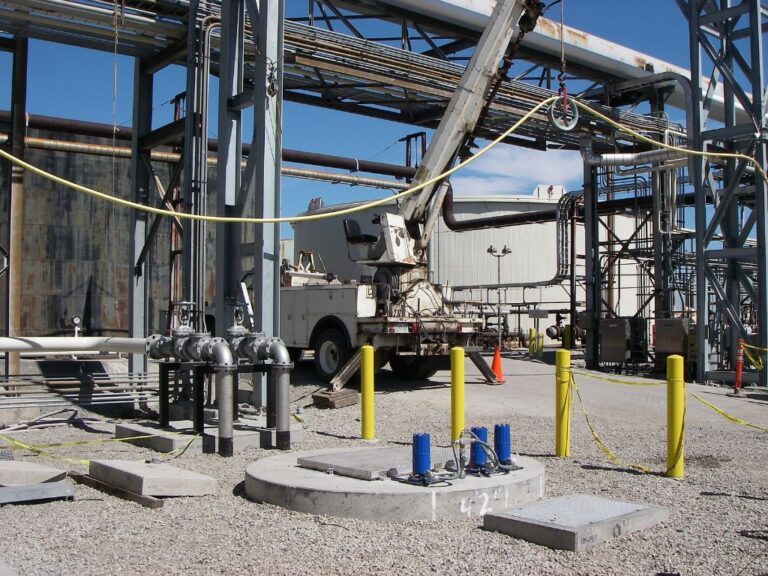
Image credit: romtecutilities.com
Do you think the station should be completely demolished and rebuilt? Not necessarily. The more important issue is whether the existing infrastructure can accommodate a new pumping system, without compromising security, maintenance access, or future capacity.
A thoughtfully designed retrofit of the pump station could preserve important infrastructure and replace components which no longer meet the operational standards.
Begin with the Structures that nobody wants to replace.
Wet wells can be the most expensive and difficult element to replace because they are underground and connected to pipes that are already in place, and crucial to the process of removing wastewater.
Retaining a concrete structure which is still functional could minimize the digging and construction.
However, damage to the access hatch can make the process. Romtec Utilities says that wet well hatches can be replaced in retrofits. It might be more reliable to replace the top slab instead of installing a brand new hatch on deteriorated concrete. This approach can be employed to improve access and the functionality of the structure, without needing to rebuild the whole wet well.
The engineering of the pump with more power is distinct
Take a look at a neighborhood that has experienced a significant increase since the opening of the lift station. The existing pumps may no longer provide sufficient capacity for increased flows of wastewater.
Pumps with greater horsepower can be used to improve the pumping station, however the equipment should also be incorporated into the system. To get more powerful pumps you might need change the discharge elbows or the piping. There is also the possibility of having to upgrade electrical controls and valves.
Engineers must also consider the system’s hydraulic requirements including the head of flow and total dynamic head. Installing a larger pump without reviewing these conditions can create operational problems rather than solving these. The planning of future capacity at the initial design stage can make later expansion considerably easier.
Check that the waste water is flowing during construction
A wastewater pump station retrofit introduces a challenge that ordinary equipment replacement projects may not face: the station may need to remain operational throughout construction.
Contractors continue to work and wastewater continues to come in. Depending on the project, temporary bypass pumping may be necessary to keep services while existing equipment is removed and new components are installed.
Romtec Utilities tackled this type of issue at the Federal Law Enforcement Training Center in Brunswick, Georgia.
The project involved the replacement of two aging wastewater lifting stations, and operating the facility. Specialized engineering on site packages, bypass pumping techniques allowed for the existing station footprints as well as operational requirements. This is a good example of how the order of construction should be carefully considered before installation.
When replacing is the most efficient alternative
Each station is not able to be renovated. Sewer lift stations might need to be replaced for a damaged or insufficiently functioning wet well. structural capacity.
It is vital to take into consideration structural conditions as well as equipment compatibility and construction accessibility, as well in the long-term requirements for operation. Romtec Utilities begins retrofit and replacement projects by determining which components will remain and which ones require replacement.
The company then develops engineering solutions tailored to the site, as well as preliminary plans and budget estimates. Prefabricated parts are also helpful to organize installation and reduce certain on-site demands.
The Project is Not Complete When the Pumps Are Set to Start
Modern lift stations need to be operated as a system in one. Before returning the lift station back to service, tests of startup and commissioning are a way to make sure that the pumps and controls and other equipment perform as per the established specifications.
Manuals for operation and maintenance, as well as training for operators, are essential. Maintenance personnel need to understand the latest equipment, operating procedures, and the documentation prior to taking over for the station.
A successful retrofit will preserve the infrastructure while also addressing the limitations which made modernization necessary.
For facility owners and municipalities this means looking beyond immediate repairs. The most effective project is one that integrates the new equipment into existing structures, keeps up with essential service throughout construction, and then prepares the pumping system to last for years of continued operation.